

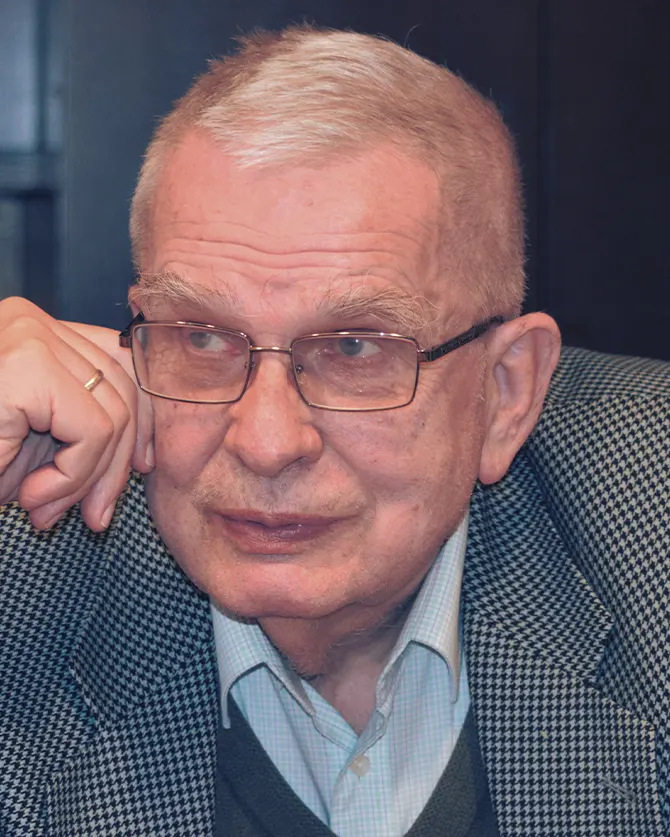
Tomas Venclova (Lithuania/USA)
Poet and translator. Tomas Venclova was born in Klaipėda, Lithuania, in 1937. Today, he is a U.S. citizen. Venclova is Professor Emeritus of Slavic Languages and Literatures at Yale University. He is the author of numerous publications, including poetry collections, essays, literary biographies, and articles. His writings have been translated into around twenty languages. Tomas Venclova was actively involved in the Lithuanian and Soviet dissident movements and was a founding member of the Lithuanian Helsinki Group (1976). In 1977, he was stripped of his Soviet citizenship and, that same year, became a member of PEN International.
The author has received numerous international awards, including the Vilenica International Literary Prize (1990), the Lithuanian National Prize (2000), the Qinghai Lakes International Poetry Prize in China (2011), and the Petrarch Prize in Germany (2014). Tomas Venclova is the author of many poetry and essay collections. Nearly 60 of his books have been published in more than 20 languages, including Lithuanian, English, German, Italian, Swedish, Polish, Russian, Ukrainian, Hungarian, Serbian, Albanian, and Chinese.
* * *
to R.K.
I only know that the darkest century is ending (almost over). Perhaps it wasn’t much darker than the rest, but it was far more consistent in its cruelty. It assigned each body its number and flushed every soul—to cleanse it—into filthy sewers, so that reason could celebrate victory. Every abyss passed itself off as hope. With great success, by the way.
Enormous furnaces faithfully served mankind— pride spewed from the chimneys. The ice glistened under a petrified star. Soot-stained train cars rolled toward non-existent locations in the west and north. Everything passes. The ruins of empires were covered in grime, entangled in brambles and thistles. The loudspeakers fell silent, the granite crumbled.
We were born in a country and began escaping it, but having left, like Orpheus, we were afraid to look back. What came with us from those years? Irony, the capacity to endure, in small doses—courage. Mostly, murky thoughts that we did much less than we could have. (This fearful, bitter feeling, of sin or guilt, which God will forgive us; but the children?..)
This was our choice. We accepted the bitter truth like a mercy, but we never glorified death. We discerned angels above the tracks and concrete. We loved. In the library, we lit candles. We distinguished good from evil, if only by their names. Which is not so easy. All of this we carry into the darkness. Hopefully, it is not a small thing.
Translated from Lithuanian by Zviad Ratiani